
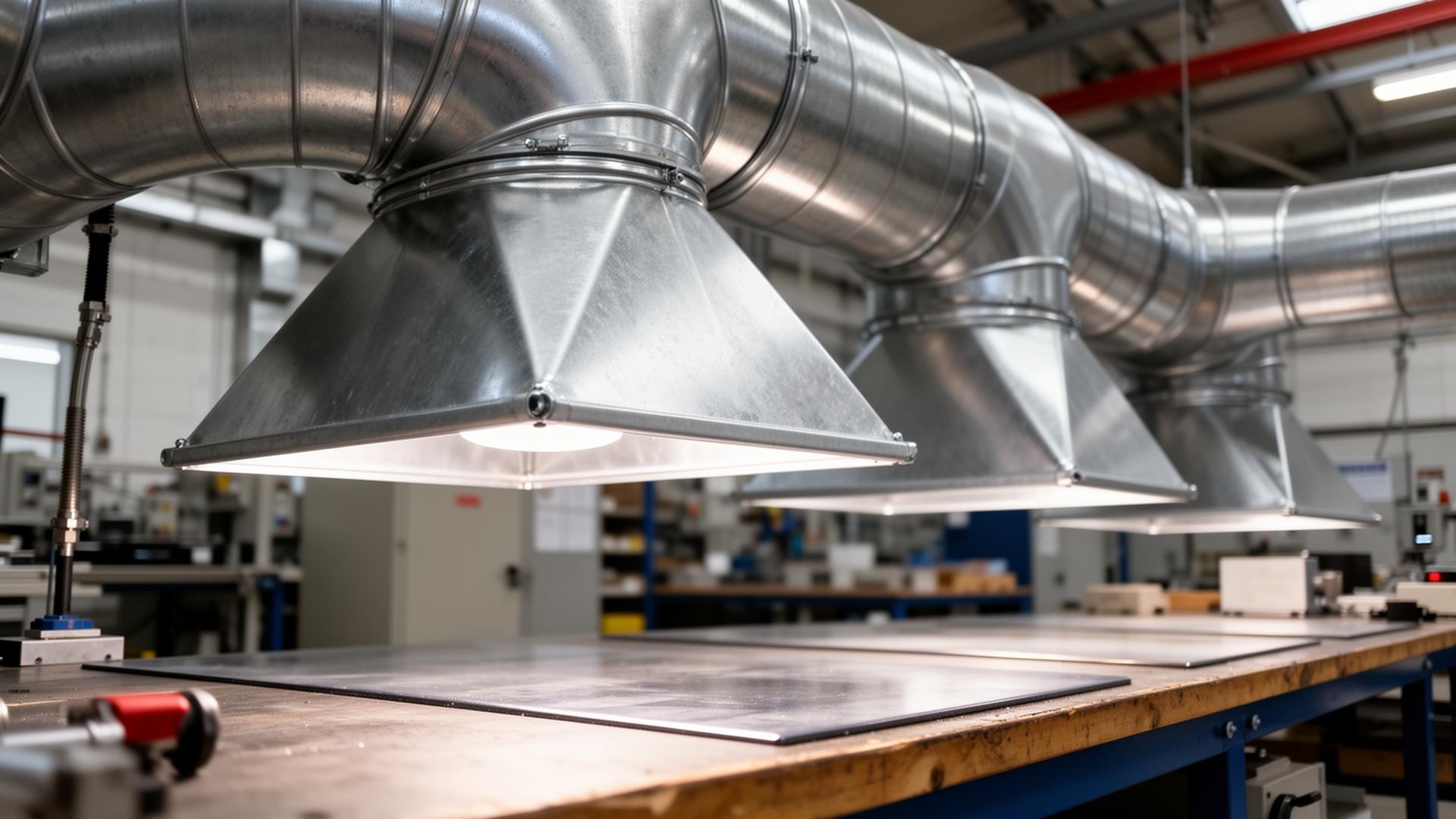
A baseline survey establishes the exposure picture for each similar exposure group. The results then inform how frequently re-monitoring is needed — higher or more variable exposures warrant more frequent checks.
01
Start with a baseline
02
Typical intervals
For many processes, annual monitoring is a reasonable default. Where exposures are close to a limit, where the substance is a carcinogen or sensitiser, or where controls are critical, more frequent monitoring is appropriate.
03
Triggers for re-monitoring
Re-monitor after any change to the process, materials, output or controls; following an LEV failure or modification; or if health surveillance or complaints suggest a problem. LEV itself must be thoroughly examined and tested at least every 14 months.
04
Frequently asked questions
Is annual monitoring always enough?
Not necessarily — high or variable exposures, carcinogens and sensitisers, or critical controls may require more frequent monitoring.
Do we re-monitor after changing a process?
Yes — any significant change to process, materials or controls is a trigger for fresh monitoring.