
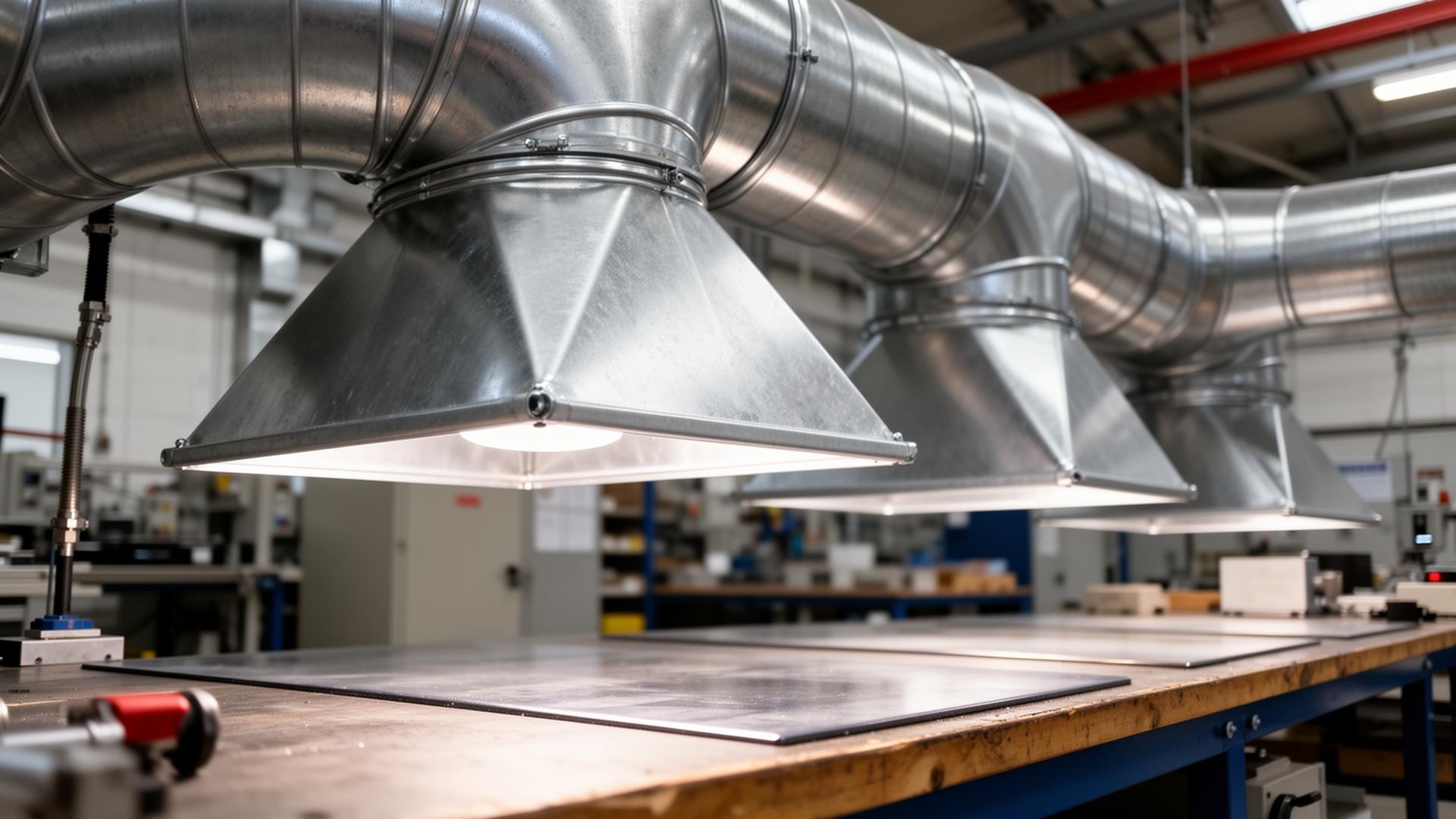
Respirable crystalline silica, wood dust, flour, metal and mineral dusts are among the most common — and most harmful — industrial particulates, linked to silicosis, occupational asthma and cancer. They are sampled gravimetrically, with silica confirmed by XRD.
01
Dusts and particulates
02
Fumes
Welding fume (now classed as a human carcinogen), diesel engine exhaust and metal fumes such as lead and hexavalent chromium are sampled on filters and analysed for individual metals or elemental carbon.
03
Chemical vapours and mists
Solvents, isocyanates, formaldehyde and acid mists are common in coatings, plastics and laboratory work. They are captured on sorbent tubes or treated filters and analysed by chromatography.
04
Gases
Carbon monoxide, hydrogen sulphide, ammonia, chlorine, nitrogen dioxide, sulphur dioxide and ozone are monitored with direct-reading instruments, often with continuous logging and alarms.
05
Frequently asked questions
Which contaminant is the biggest risk?
It depends on the process, but respirable silica, welding fume and diesel exhaust are among the most significant carcinogenic risks in UK industry.
Can one survey cover several contaminants?
Yes — a single visit can sample multiple contaminants simultaneously, selected from your COSHH assessment.