
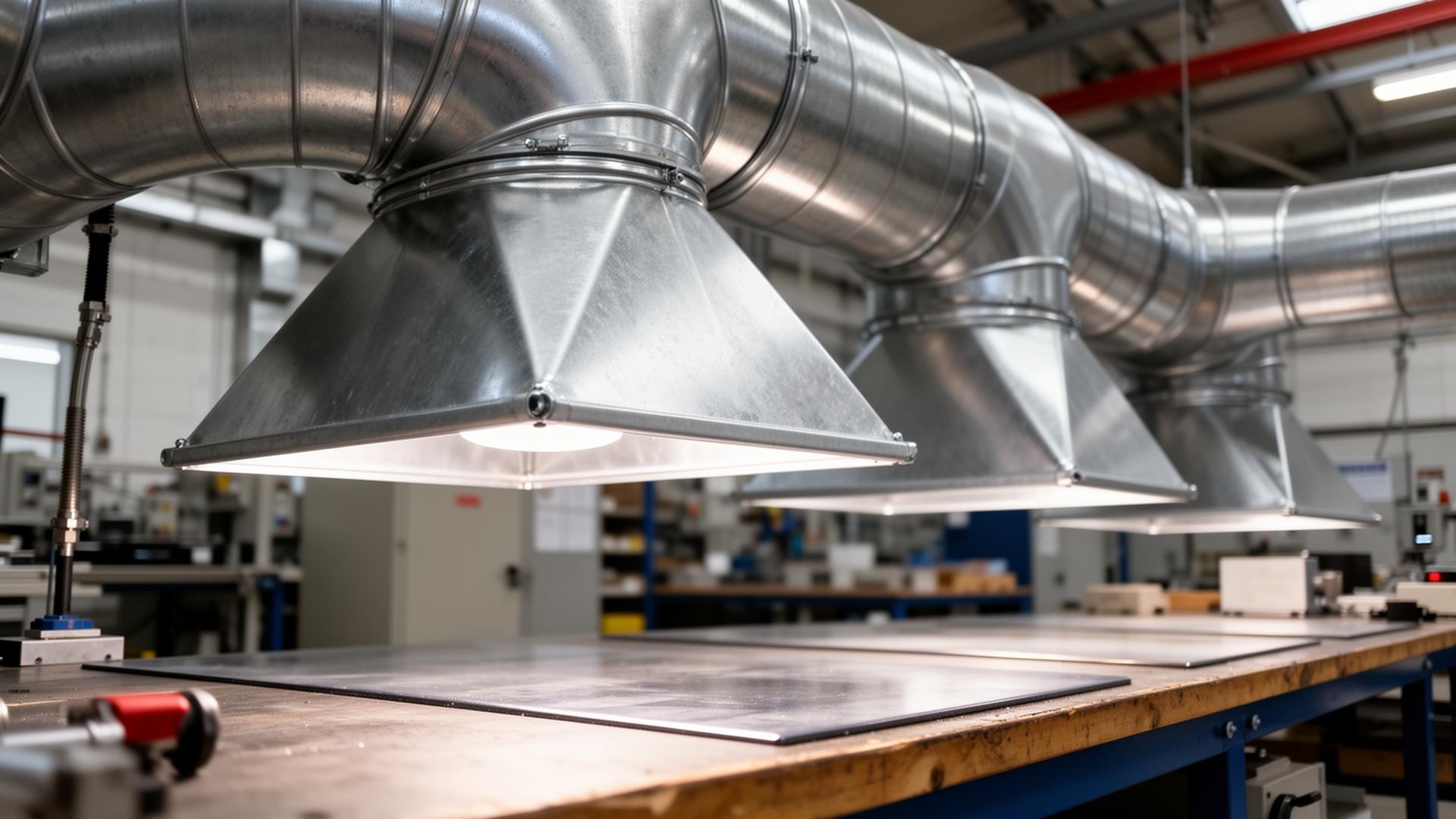
The Control of Substances Hazardous to Health Regulations 2002 are the foundation. Regulation 7 requires exposure to be prevented or controlled, Regulation 9 requires maintenance and testing of controls such as LEV, and Regulation 10 requires exposure monitoring in defined circumstances.
01
COSHH 2002
02
EH40 workplace exposure limits
HSE guidance note EH40/2005 (as amended) publishes the workplace exposure limits — the 8-hour TWAs and STELs — against which monitoring results are compared.
03
Substance-specific regulations
The Control of Lead at Work Regulations 2002 (CLAW) and the Control of Asbestos Regulations 2012 (CAR) impose additional, stricter duties for those substances, including air and (for lead) biological monitoring and the 0.1 f/cm3 asbestos control limit.
04
Supporting standards
Sampling and analysis follow HSE MDHS methods and BS EN 689 for compliance decisions, with LEV testing to HSG258. Together these give monitoring its technical and legal credibility.
05
Frequently asked questions
Which regulation requires air monitoring?
Regulation 10 of COSHH 2002 — supported by CLAW 2002 for lead and CAR 2012 for asbestos.
What is EH40?
It is the HSE document listing the UK workplace exposure limits used to assess monitoring results.